New Kitten Checklist (2026): What to Buy Before Day One, and What Can Wait
What a new kitten needs on day one, from a low-sided litter box to a carrier and scratching post, what can wait, and what Cornell, the AAFP and the ASPCA advise.
Independently chosen. As an Amazon Associate I earn from qualifying purchases: if you buy through our links, we may earn a commission at no cost to you. How we research
Quick answer
Before a kitten comes home, have a low-sided litter box (Petmate's small open pan) with unscented litter such as Dr. Elsey's Ultra, a sturdy sisal scratching post, a top-loading carrier, separate food and water dishes, and the food it already eats. Cornell's Feline Health Center says kittens need low-sided boxes and most cats prefer unscented, fine litter. A water fountain, a bigger box, a harness and a breakaway collar can come a few weeks later. See a vet in the first days: the AVMA says the kitten vaccine series usually ends at 16 weeks or older.
At a glance
Our top picks
- 1Top pickPetmate Basic Open Cat Litter Pan, Small$5.99 Amazon price as of Sep 28, 2026, 2:13 PM UTC (details)From the listing · not tested
The low-sided first box for a small kitten.
- 2Also considerArm & Hammer Rimmed Open Cat Litter Box with High Sides$16.99 Amazon price as of Sep 28, 2026, 2:13 PM UTC (details)From the listing · not tested
The box to switch to once the kitten is big enough to hop in easily.
- 3Also considerDr. Elsey's Ultra Unscented Clumping Clay Cat Litter, 18 lb$12.99 Amazon price as of Sep 28, 2026, 2:13 PM UTC (details)From the listing · not tested
A plain unscented clumping litter, the kind Cornell says most cats prefer.

Side by side
Quick comparison
| Petmate Basic Open Cat Litter Pan, Small | Arm & Hammer Rimmed Open Cat Litter Box with High Sides | Dr. Elsey's Ultra Unscented Clumping Clay Cat Litter, 18 lb | SmartCat Ultimate Scratching Post, 32 in | Amazon Basics Cat Scratching Post, Large, 35.4 in | Best Pet Supplies Catify Cat Scratcher Pads, Slope, 2-Pack | Petmate Kennel Cab Soft-Sided Carrier | Taglory Reflective Breakaway Cat Collar with Bell, 2-Pack | GoTags Stainless Steel Pet ID Tag | Catit Flower Fountain, 3 L | |
|---|---|---|---|---|---|---|---|---|---|---|
| Price | $5.99 Amazon price as of Sep 28, 2026, 2:13 PM UTC (details)Check price | $16.99 Amazon price as of Sep 28, 2026, 2:13 PM UTC (details)Check price | $12.99 Amazon price as of Sep 28, 2026, 2:13 PM UTC (details)Check price | $64.19 Amazon price as of Sep 28, 2026, 2:13 PM UTC (details)Check price | $37.17 Amazon price as of Sep 28, 2026, 2:13 PM UTC (details)Check price | $25.99 Amazon price as of Sep 28, 2026, 2:13 PM UTC (details)Check price | $19.46 Amazon price as of Sep 28, 2026, 2:13 PM UTC (details)Check price | $6.99 Amazon price as of Sep 28, 2026, 2:13 PM UTC (details)Check price | $8.95 Amazon price as of Sep 28, 2026, 2:13 PM UTC (details)Check price | $32.99 Amazon price as of Sep 28, 2026, 2:13 PM UTC (details)Check price |
| Key Pros |
|
|
|
|
|
|
|
|
|
|
| Key Cons | -Too small for most adult cats; plan to move up in a few months | -Sides are too high for a small kitten; this is the grown-cat box | -Clay litter is heavy; the 18 lb bag is the smaller size | -A few inches under the ASPCA's three-foot guideline for an adult cat | -Jute rather than sisal; spot clean only | -Cardboard shreds and needs replacing as it wears | -Petmate rates it for pets up to 10 lb | -Adjusts from 7.5 to 12.5 in and is sized for adult cats, per the listing, so a small kitten may need to wait | -Engraved to order, so allow shipping time before the kitten comes home | -Plastic; Catit says to replace the filter every 30 days |
A new kitten needs five things on its first day: a low-sided litter box with unscented litter, a scratching post, a carrier, separate food and water dishes, and the food it already eats. For most kittens, that means Petmate's small open litter pan, Dr. Elsey's Ultra unscented litter, a sisal post such as the SmartCat Ultimate, and a top-loading carrier like the Petmate Kennel Cab. A fountain, a grown-cat litter box, a harness and a collar can wait a few weeks.
How we chose: we did not test these products; we worked from the Cornell Feline Health Center, the American Association of Feline Practitioners (AAFP) and the ASPCA, and picked items sold by Amazon.com or the brand's own store and in stock on September 28, 2026.
The day-one list at a glance
Cornell's guide to a new cat says to have "the basic provisions it will need, including a litter box, food, and ideally, a scratching post" before the cat comes home. The table adds what the ASPCA puts on its cat supply checklist.
| Item | Our pick | When | Sold by | Amazon price |
|---|---|---|---|---|
| Litter box, kitten | Petmate Basic Open Pan, Small | Day one | Amazon.com | $5.99 (Amazon, as of Sep 28, 2026, 2:13 PM UTC)Check price |
| Litter | Dr. Elsey's Ultra Unscented, 18 lb | Day one | Amazon.com | $12.99 (Amazon, as of Sep 28, 2026, 2:13 PM UTC)Check price |
| Scratching post | SmartCat Ultimate, 32 in | Day one | Amazon.com | $64.19 (Amazon, as of Sep 28, 2026, 2:13 PM UTC)Check price |
| Scratching post, taller | Amazon Basics, 35.4 in | Day one | Amazon.com | $37.17 (Amazon, as of Sep 28, 2026, 2:13 PM UTC)Check price |
| Scratching pad | Catify Slope, 2-pack | Day one | Amazon.com | $25.99 (Amazon, as of Sep 28, 2026, 2:13 PM UTC)Check price |
| Carrier | Petmate Kennel Cab | Day one | Amazon.com | $19.46 (Amazon, as of Sep 28, 2026, 2:13 PM UTC)Check price |
| ID tag | GoTags stainless tag | First weeks | GoTags LLC | $8.95 (Amazon, as of Sep 28, 2026, 2:13 PM UTC)Check price |
| Breakaway collar | Taglory, 2-pack | When it fits | Taglory | $6.99 (Amazon, as of Sep 28, 2026, 2:13 PM UTC)Check price |
| Litter box, adult | Arm & Hammer High Sides | A few months | Amazon.com | $16.99 (Amazon, as of Sep 28, 2026, 2:13 PM UTC)Check price |
| Water fountain | Catit Flower, 3 L | Can wait | Amazon.com | $32.99 (Amazon, as of Sep 28, 2026, 2:13 PM UTC)Check price |
Prices are Amazon's, as of the time shown, and subject to change. Details
The ASPCA's list reads: premium-brand cat food, a food dish, a water bowl, interactive toys, a brush, a comb, a "safety cat collar with ID tag," a scratching post or pad, a litter box and litter, a cat carrier, and a cat bed or box with a warm blanket or towel.

A litter box with low sides
Cornell's Feline Health Center is specific about the box. In its page on house soiling, it says "young kittens, elderly cats, and cats with mobility problems need boxes with low sides," and that "most cats prefer an uncovered box that lets odors escape and allows a 360-degree view of their surroundings."
That is why the first box here is the Petmate small open pan: 3.5 in tall and open on top. Once the kitten hops in easily, move to a full-size box such as the Arm & Hammer, which is 18.7 in long with high sides to hold liners and cut spills.
Three more rules from Cornell:
- Litter: "Most cats prefer unscented, finer-textured litter about one to two inches deep." Dr. Elsey's Ultra is an unscented clumping clay. If you change litter later, Cornell says to do it gradually, mixing the new into the old.
- Number: keep as many litter boxes as there are cats in the house, plus one.
- Cleaning: with clumping litter, "remove feces and clumps daily and add clean litter as needed."
The ASPCA adds that the box belongs "in a quiet, accessible location," one per floor in a multi-level home, and warns against cleaning it with "ammonia, deodorants or scents, especially lemon." For accidents outside the box, an enzyme cleaner is the right tool; our enzyme cleaner guide explains why.

A scratching post it will actually use
Scratching is normal, and a post saves the furniture. Cornell's page on destructive behavior says a post "should be sturdy enough that it does not topple over during use, and should be at least as tall as your cat standing on her hind legs with front legs outstretched." The ASPCA asks for "a sturdy scratching post, at least three feet high," covered with "rough material such as sisal, burlap or tree bark."
Both posts here are tall enough for a kitten, and close to the ASPCA's three feet for a grown cat. The SmartCat Ultimate is 32 in of woven sisal on a 16 x 16 in base; the Amazon Basics is 35.4 in of jute on a wood base. For a kitten that scratches rugs or likes to stretch out flat, Cornell says a horizontal surface such as cardboard works better, which is what the Catify Slope pads are.
To teach the habit, Cornell suggests putting the post next to where your kitten already scratches, rewarding it with treats and praise when it uses the post, and moving the post gradually to where you want it. Don't throw out a worn post: ragged means it is working.
A carrier, left out at home
You will need a carrier on the first day, for the trip home and the first vet visit. The AAFP's cat-owner site, Cat Friendly Homes, gives three things to look for:
- Two ways in: "both a top and front opening or a very large round opening," so you can lift a kitten in and out without a struggle.
- Easy to clean: a leak-proof bottom with room for an absorbent towel.
- Privacy and air: some visual shield, with good ventilation.
The AAFP also says to leave the carrier out at home, in a room where the cat spends time, with familiar bedding inside, so it becomes "part of her space" rather than a sign of the vet. For the car, it passes on the Center for Pet Safety's advice: belt a carrier into the back seat only if it has been crash tested, and put others on the floor of the back seat.
The Petmate Kennel Cab has a top-loading zippered door and is rated for pets up to 10 lb. If you will fly with your cat, compare each airline's limits in our airline pet carrier guide, and for the car, see the Center for Pet Safety certified carriers in our car restraint guide.

Food, water and the first vet visit
Keep the kitten on its current food at first. The ASPCA says the food should be "balanced for the life stage of your cat or kitten," that cats need taurine, and that treats should be no more than 5 to 10 percent of the diet. Cornell says a new cat "will need separate food and water dishes, kept far away from the litter box."
A fountain can wait. Once your kitten is settled, our cat water fountain guide compares plastic, ceramic and stainless models, including the Catit Flower.
Cornell says "any new cat should be checked by a veterinarian as soon as possible after coming home," and to ask about vaccines, parasite control and diet it has already had. If you have other cats and the kitten's history is unknown, keep it separate until your vet has seen it. The AVMA's vaccination page says the series usually starts at 6 to 8 weeks and that "for most puppies and kittens, the final vaccination in the series is given at 16 weeks of age or older." Your vet sets the schedule. This page is general information, not veterinary advice (more on that).
Pro tip: never give a kitten medicine a vet has not prescribed, the ASPCA says, and check baby food labels for onion or garlic powder before you offer it to a kitten that is off its food.

Collar, ID and what can wait
The ASPCA says an ID tag or a microchip "can help ensure that your cat is returned if he or she becomes lost," for indoor and outdoor cats alike, and that a cat allowed outdoors "must wear a safety collar and an ID tag," one with a panel that lets the cat "break loose if the collar gets caught on something." The Taglory collar has a quick-release buckle, but it adjusts from 7.5 in and is sized for adult cats, so a small kitten may need to grow into it. Ask your vet about a microchip at the first visit.
Things that can come later:
- A harness, if you want to walk your cat. Start once the kitten is used to the house; our escape-proof cat harness guide covers fit.
- A full-size litter box, such as the Arm & Hammer, when the kitten outgrows the small pan.
- A water fountain, once you know where the kitten likes to drink.
- Grooming tools. The ASPCA lists a brush and a comb; our deshedding brush guide includes sizes for small and large cats.
Bottom line: buy the low-sided box, unscented litter, a sturdy post and a two-door carrier before day one, book the vet, and add the fountain, collar and harness as the kitten grows.
Recalls
None of these products appears on our pet product recall page, which tracks FDA and CPSC pet recalls, as of September 28, 2026. One brand note: in August 2025 the CPSC announced a Petmate recall of Pet Zone laser pointer and LED ball toys over an ingestion hazard; it does not cover the Petmate litter pan or carrier here. You can search the CPSC recall database for any brand.
Frequently Asked Questions
What kind of litter box is best for a kitten?
An open box with low sides. Cornell says young kittens need low-sided boxes and most cats prefer an uncovered box; the Petmate small pan is 3.5 in tall.
What litter should I use for a new kitten?
An unscented, fine-textured litter one to two inches deep, which Cornell says most cats prefer. Keep the litter the kitten used before if you know it, and switch gradually.
How tall should a scratching post be?
At least as tall as your cat stretched out on its hind legs, per Cornell; the ASPCA suggests at least three feet for a grown cat, on a base that will not wobble.
When should a kitten see the vet?
As soon as possible after it comes home, Cornell says. The AVMA says the vaccine series starts at 6 to 8 weeks and usually ends at 16 weeks or older; your vet sets the schedule.
Does an indoor kitten need a collar?
An ID tag or a microchip helps any lost cat get home, per the ASPCA. If it wears a collar, choose a breakaway one that releases if it catches.
Proof
Sources
Everything this guide relies on, as linked in the text. Last checked September 28, 2026.
- vet.cornell.edu: Cornell's guide to a new cat
- ASPCA: General cat care
- vet.cornell.edu: Feline behavior problems house soiling
- vet.cornell.edu: Feline behavior problems destructive behavior
- catfriendly.com: Cat Friendly Homes
- Center for Pet Safety: Center for Pet Safety certified carriers
- American Veterinary Medical Association: AVMA's vaccination page
- U.S. Consumer Product Safety Commission: CPSC recall database
PetProofLab is a participant in the Amazon Services LLC Associates Program, an affiliate advertising program designed to provide a means for sites to earn advertising fees by advertising and linking to Amazon.com. We did not test these products; sizes and features are the makers' own, from their listings. This guide is for general information and is not veterinary advice.
The picks
Our picks, in order
Ranked in the order we recommend them, from listings, certifications and standards. Where a price appears it is Amazon's, with the time it was read.

Petmate Basic Open Cat Litter Pan, Small
From the listing · not testedThe low-sided first box for a small kitten.
Pros
- + 14 x 10.5 in and 3.5 in tall, per the listing: low sides a kitten can step over
- + Open top, which Cornell says most cats prefer
- + Rim on all sides for lifting; sold by Amazon.com
Cons
- - Too small for most adult cats; plan to move up in a few months

Arm & Hammer Rimmed Open Cat Litter Box with High Sides
From the listing · not testedThe box to switch to once the kitten is big enough to hop in easily.
Pros
- + 18.7 x 15.5 x 10.6 in, an XL box for cats of various sizes, per the listing
- + High sides and a rim to hold liners and cut spills; open top
- + Made from recycled materials in the USA; sold by Amazon.com
Cons
- - Sides are too high for a small kitten; this is the grown-cat box
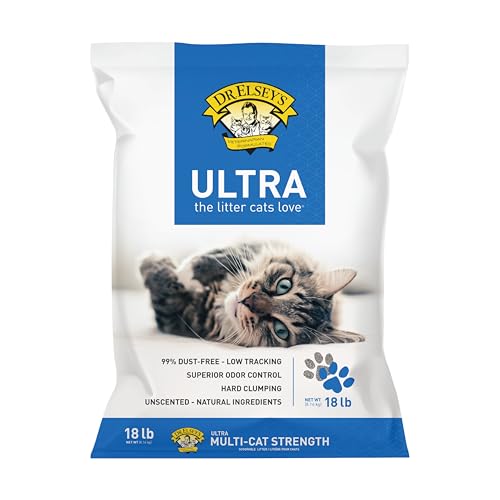
Dr. Elsey's Ultra Unscented Clumping Clay Cat Litter, 18 lb
From the listing · not testedA plain unscented clumping litter, the kind Cornell says most cats prefer.
Pros
- + Unscented, medium-grain bentonite clay, per Dr. Elsey's
- + Hard clumping and low dust, per the listing
- + Sold by Amazon.com
Cons
- - Clay litter is heavy; the 18 lb bag is the smaller size
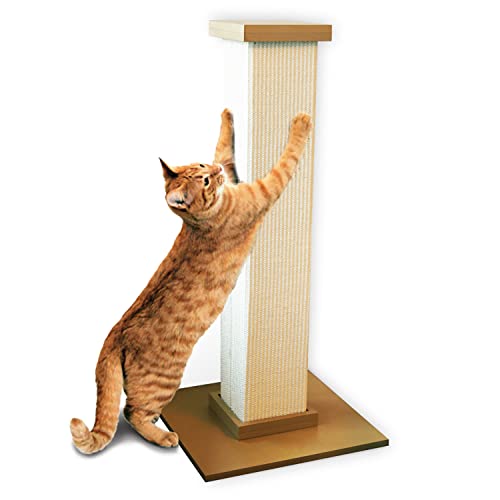
SmartCat Ultimate Scratching Post, 32 in
From the listing · not testedA sturdy sisal post that will still work when the kitten is grown.
Pros
- + 32 in tall so cats can stretch fully, on a 16 x 16 in base Pioneer Pet says stops tipping
- + Woven sisal, which Cornell suggests for cats that like nubby surfaces
- + Sold by Amazon.com
Cons
- - A few inches under the ASPCA's three-foot guideline for an adult cat

Amazon Basics Cat Scratching Post, Large, 35.4 in
From the listing · not testedA tall, heavy-based post for less than the SmartCat.
Pros
- + 35.4 in tall, the tallest post here, per the listing
- + Jute fiber on a 15.75 x 15.75 in wood base; replaceable dangle toy
- + Sold by Amazon.com
Cons
- - Jute rather than sisal; spot clean only

Best Pet Supplies Catify Cat Scratcher Pads, Slope, 2-Pack
From the listing · not testedA low, angled scratcher for a kitten that scratches rugs rather than furniture.
Pros
- + Corrugated cardboard scratchers, 19 x 9.5 x 7 in, per the listing
- + Two in the pack, for two rooms or a spare
- + Recyclable; sold by Amazon.com
Cons
- - Cardboard shreds and needs replacing as it wears
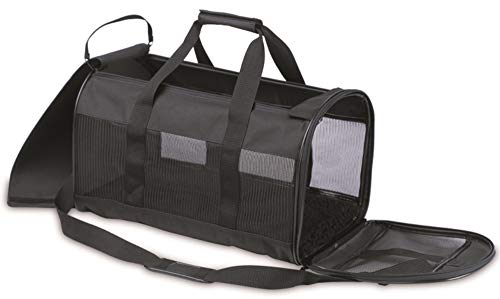
Petmate Kennel Cab Soft-Sided Carrier
From the listing · not testedThe carrier that fits the most airlines' published numbers, for a cat or small dog.
Pros
- + 17 x 10 x 10 in per the listing: within American, Delta, United and Southwest's published soft-carrier sizes
- + Top-loading zippered door, mesh walls, plush pad and an exterior pocket
- + The least expensive carrier here; sold by Amazon.com
Cons
- - Petmate rates it for pets up to 10 lb

Taglory Reflective Breakaway Cat Collar with Bell, 2-Pack
From the listing · not testedA breakaway collar to carry the ID tag once the kitten's neck fits it.
Pros
- + Quick-release buckle that breaks away under pressure if the collar snags, per the listing
- + Reflective strip and a removable bell
- + Two collars; sold by Taglory, the brand's store
Cons
- - Adjusts from 7.5 to 12.5 in and is sized for adult cats, per the listing, so a small kitten may need to wait

GoTags Stainless Steel Pet ID Tag
From the listing · not testedThe tag to order the week you know the kitten's name and your phone number.
Pros
- + Laser engraved, up to 4 lines on each side, per GoTags
- + Small 1 in size, which GoTags suggests for cats and small breeds
- + Stainless steel rather than aluminum; sold by GoTags LLC, the brand's store
Cons
- - Engraved to order, so allow shipping time before the kitten comes home

Catit Flower Fountain, 3 L
From the listing · not testedA compact, adjustable plastic fountain with cheap, easy-to-find filters.
Pros
- + 3 L capacity in a 9.0 x 8.3 x 7.7 in footprint, per the listing
- + Three flow settings; triple action filter included
- + BPA-free materials, per Catit; sold by Amazon.com
Cons
- - Plastic; Catit says to replace the filter every 30 days
Still comparing? Search Amazon
Today's Deals →Quick searches, tagged so you support the site at no extra cost.
Amazon prices and availability change often; cards with a live Amazon price show when it was last checked. As an Amazon Associate I earn from qualifying purchases.
